
If there is one phrase we say more than any other in the treatment room, it is “your barrier is unhappy.” Tightness after cleansing, stinging when you apply serum, redness that comes and goes: these usually point to the same thing.
What the barrier actually is
The outermost layer of your skin works like a brick wall. The cells are the bricks; a mix of ceramides, cholesterol and fatty acids is the mortar. When the mortar thins, water escapes and irritants get in.
How it gets damaged
- Too many actives at once: acids, retinoids and vitamin C stacked in one routine.
- Foaming cleansers that leave skin squeaky.
- Hot showers, dry office air and the first cold weeks of the year.
Most barrier problems are solved by doing less for three weeks, not by buying more.
The three-week reset
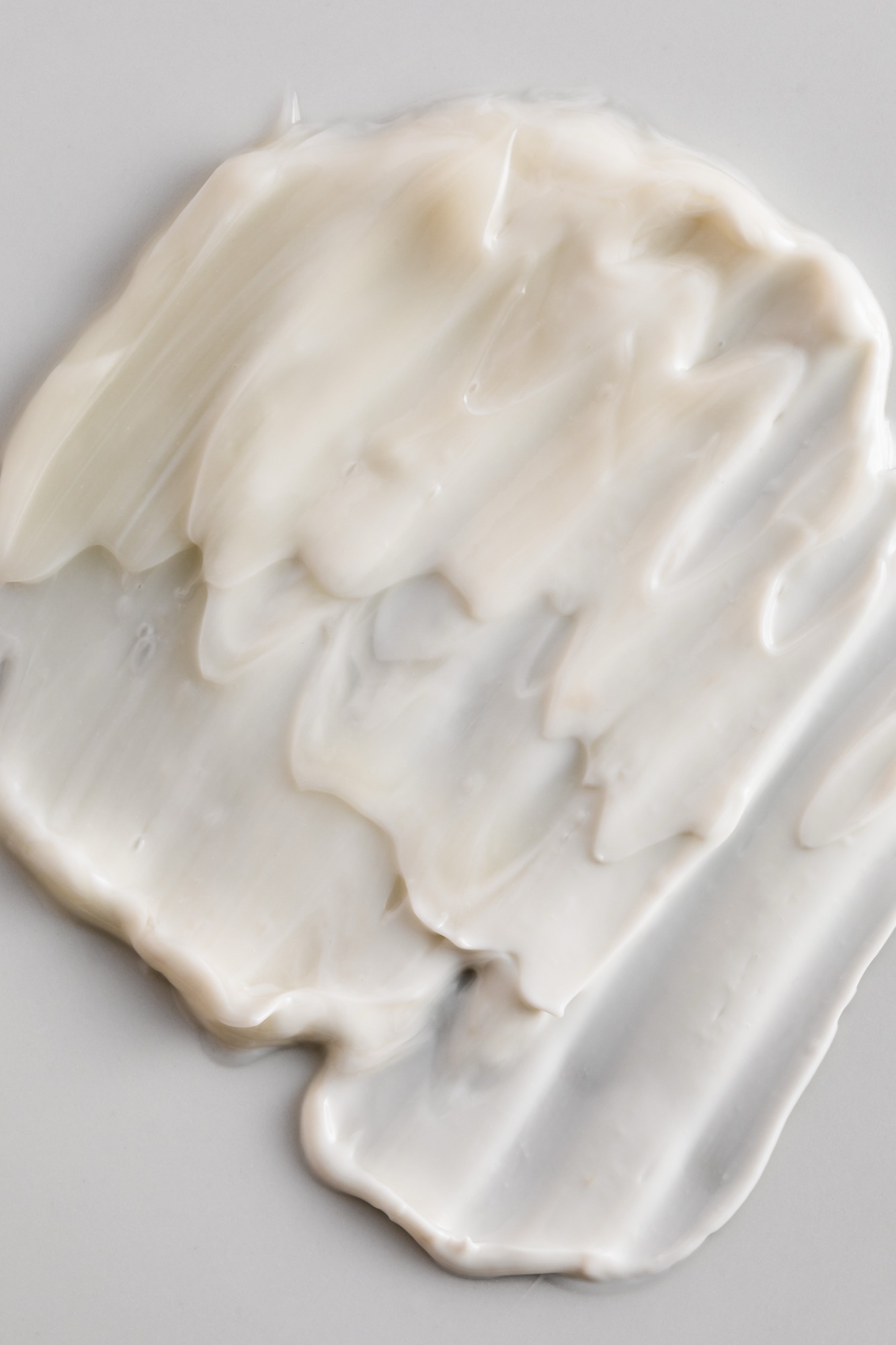
Pause every exfoliating acid and retinoid. Cleanse once a day with a milky cleanser, apply a ceramide cream to damp skin, and wear mineral SPF every morning. Reintroduce one active at a time once your skin stops stinging.
If you want us to look at it properly, our Barrier Repair facial is built for exactly this.